Should Sports be Considered a Cultural and Creative Industry?

A Conversation with Jamaica Creates & Mark Tha Monk

Ashly Cork

July 1, 2021
4-5 minute read

Source: 876 Stream

With the 2021 Summer Olympics less than a month away and several worldwide sporting competitions happening simultaneously, sports has been on everyone’s mind lately.

Sports are inherently a cultural product. However, you can’t help but notice its creative components, particularly among the athletes as active participants. Given this interlinkage, why are sports so often left out of the umbrella of the Cultural and Creative Industries (CCIs)?

I sat down with the Director of MonkFit Wellness Systems, Mark Miller (aka Mark Tha Monk) – who is also a competitive powerlifter and sports and fitness enthusiast- to discuss his views on Sports as a CCI. 

AC: I want to ask your opinion on if you think sports should be considered a cultural and creative industry (CCI). This is a question many policymakers and industry officials have pondered for decades. The tricky thing about categorising the CCIs is that there is no single definition or global consensus with what exactly it is. Some countries call it different names – the ‘creative economy’ or have separate ‘cultural’ and ‘creative’ industries. On the other hand, some countries differ in terms of which specific industries fall under this category.

UNESCO defines the CCIs as, “those industries which have their origin in individual creativity, skill and talent and which have a potential for wealth and job creation through the generation and exploitation of intellectual property.” Also, it has often been cited that a “creative industry” generates goods and services whose production requires a significant input of creativity, often this is calculated at 30%. 

Based on these two definitions, would you consider sports a CCI?

MM: Sport should definitely be considered a cultural and creative industry! Culture is that intangible export product that embodies the beliefs, customs and obsessions of a people in a community or nation!

Few things in the world really embody the creativity of a people more than how they approach competing in sports activity. The rules of a football game for instance are the same in any country, but in every nation, there are unique styles, philosophies and superstitions coming out of different cultures. It’s the same game in Brazil, Germany and England but its significance, aesthetic, and influence take on many different shapes from city to city and country to country.

Sports are a true manifestation of what people hold important, a machine for the transfer of tradition, storytelling and customs and most importantly, the opportunity for youth to monetise their innate gifts and talents. 

The sporting world of the 2010s is not purely about scoreboards and championships either, in a content and brand-driven world. Brands in sports are participating in storytelling, making merchandise, inspiring timeless art pieces, creating aspirational figures larger than life. Real-life superheroes who will inspire many generations of young creatives to come. 

Sport being recognised as a creative landscape will allow for more cross-pollination between athletics and cultures like music culture, the visual art industry and even the performance art industry and their many subcultures. The opportunity to create thriving markets is infinite, all you need is a little creativity.

AC: I love that! What a comprehensive explanation. So my next question is, why do you think Sports is often excluded from the CCI narrative?

MM: My standpoint would be purely conjecture, but I’d imagine that it would be difficult to redefine a multi-billion dollar industry. There might be some red tape that comes with that redefinition. Different tariffs, legislation, funding, sponsorship… Who knows? Things are never as simple as they seem.

Besides that, with an overwhelming majority of sports proudly preserving archaic and conservative ideologies like homophobia, racism, and sexism especially, things that are rigid and relatively frozen in time; Maybe they wouldn’t thrive next to a space on the other end of the spectrum? They are, in a way, just not evolving with the times as the creative and cultural space would. 

AC: Yeah, that’s a really good point. Especially when you consider it along the lines of the Jamaican context and how traditional our society is. And then to compare that with the overall support Sports gets in comparison to other CCIs.

MM: Exactly, they have too much leveraging power with nothing to gain exactly.

AC: I think this is a good segue into the next question. Sports evidently has far more structure and formality than many of the CCIs in Jamaica (such as music, visual arts and film) including several different industry associations and far more funding opportunities. Do you think, on an economic level, it holds more strength continuing to stand as an industry on its own rather than being grouped into the CCIs?

MM: No pun intended but with the right creativity the sports bodies could become a lot bigger. Sporting bodies, private and public, could easily fund and distribute intellectual property.

Look at the deal Jay-Z made with the NFL recently for example. The NFL recognizes that it’s marketability is nothing without black culture these days. As the league becomes synonymous to black culture increasingly every year, it has to embrace the culture in a way that doesn’t seem exploitative or come off offensive. We can expect a lot more collaborations between giants in culture and sporting brands in similar ways to Jay-Z and the NFL or Drake and The Raptors. 

Even in boxing! Canelo, coming out in traditional Mexican dress, had a whole live band playing traditional Mexican music with dancers and performers- in the middle of a global pandemic, where live performance opportunities are scanty and rare. Some Mexican cultural performers got work.

As it relates to Jamaica, I could see where the creatives could get a lot more opportunities to display and perform, while these agencies could increase their value and caliber of event experience for patrons. More money floating around will make everyone happy.

AC: You referring to the dress and cultural displays in that way makes me think of track and field. And how many women runners today, particularly Black women, express themselves through their hairstyles and their nails. All we have to do is look at the girls at Champs and even Shelly-Ann capitalising and creating a hair line.

MM: Ahh! This thing is deep

AC: It is! Yep. So the last question is… and you’ve touched on some points already, but just to round everything up. How would you like to see greater collaboration with Sports and other CCIs?

MM: I would like for the sporting powers to purposefully involve more entertainment. As far as writing, video and audio are concerned there can be a lot more done for storytelling. Imagine, we (Jamaica) have the fastest man in the world. If America had the fastest man in the world there would be at least 15 movies by now. We probably only have a single documentary. [laughs] You know, the linkage is there, it’s just not done with intent or purposefulness and it’s going to leave both of them behind.

AC: Yeah, for sure. The intention is very important. Well, thank you so much for letting me pick your brain!

MM: Of course
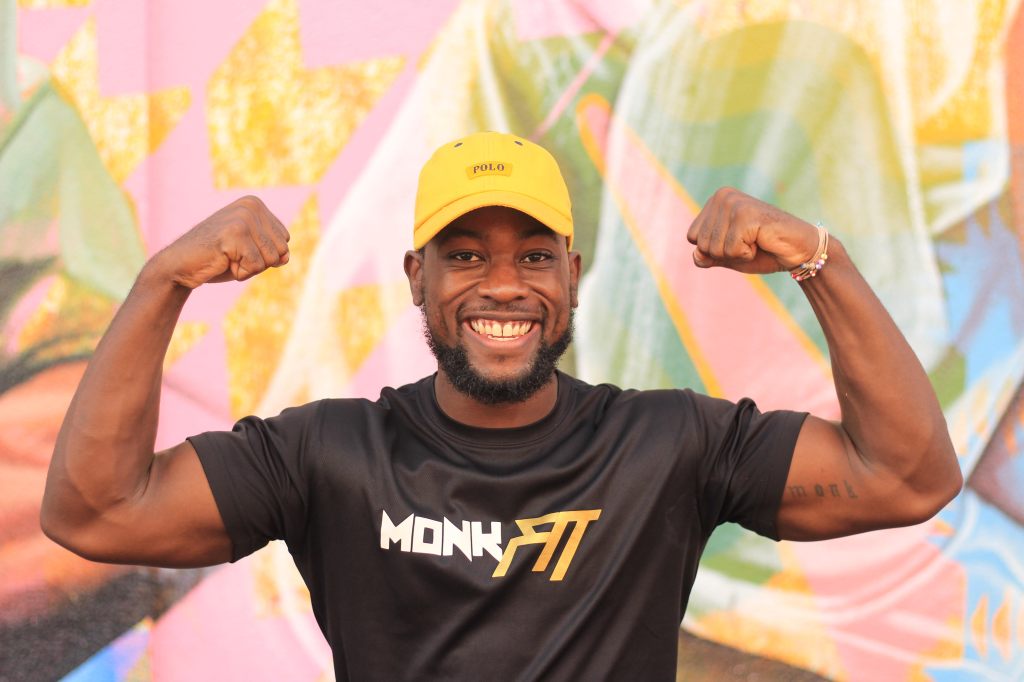
Mark Miller (AKA Mark Tha Monk) of Monkfit Wellness Systems

Check out both Mark & Monkfit Wellness Systems on Instagram: @markthamonk & @monkfitja
My 2020 Goal was to Read More Caribbean Literature: Here’s how I did it!

Ashly Cork
December 21, 2020

I’ve loved books for as long as I can remember, and as soon as I learned to read it quickly became one of my favourite hobbies. But as I grew older I found myself not reading much for pleasure anymore and only for school or work, and so reading became more like a chore than something fun. 

In indulging myself back into the world of reading I decided my 2020 New Year’s Resolution would be to read more Caribbean Literature. It felt important for me to engage with stories that were relatable and close to home, allowing for a connection both physically and emotionally. But I had only one issue, Caribbean Literature is such a broad genre, where do I start?

That’s where Rebel Women Lit came in. The independent library boasts a vast collection of all kinds of literature, particularly Caribbean Lit. They have various subscription packages where you can sign up to get a book in a particular genre or theme randomly selected for you.

I signed up for the ‘Caribbean Classics’ subscription which was only $11 USD per month running through September to December. What caught my eye on this subscription description was the way they broke down the idea of Classic Literature and how they sought to position the Caribbean within this space. The description says, “Classic literature can teach us so much about the past and what our ancestors hoped for our future. Notably however, the literary canon most associated with the term “Classic Literature” tends to be dominated by white, European & American men and about the world through their eyes.” Rebel Women Lit sought to reimage what classic literature was by focusing on books published across the Caribbean region from the period of the 1920s-1999. Because, as they rightly quoted Shivanee Robinson, “reading Caribbean means reading the world.”

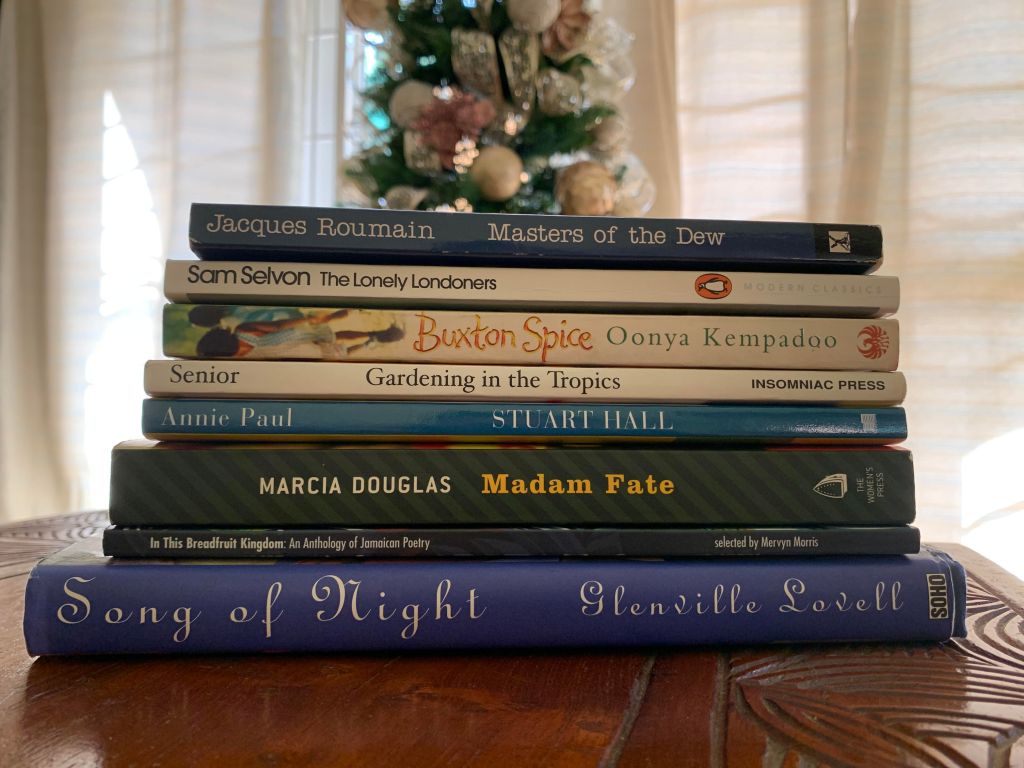
Through the novels and poetry books selected for me I was transported through the history and cultures of Trinidad and Tobago, Barbados, Haiti, Guyana and of course, Jamaica, as well as delved into the experience of the Caribbean diaspora in London during the Windrush era. In total (and in addition to other forms of literature) I was able to complete eight Caribbean literature books from my 2020 reading list. These were:

  1. Song of Night by Glenville Lovell
  2. The Lonely Londoners by Sam Selvon 
  3. Stuart Hall by Annie Paul 
  4. Masters of the Dew by Jacques Romain
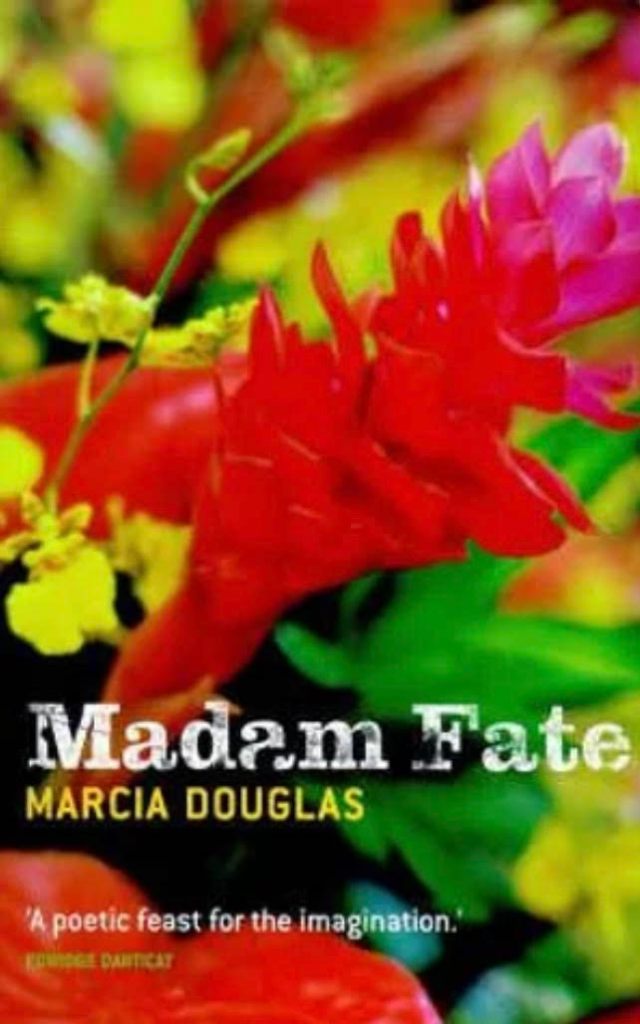
  5. Madam Fate by Marcia Douglas 
  6. Buxton Spice by Oonya Kempadoo
  7. Gardening in the Tropics by Olive Senior (poetry)
  8. In This Breadfruit Kingdom: An Anthology of Jamaican Poetry selected by Mervyn Morris. 

My favourite of the bunch would most definitely have to be Madam Fate by Marcia Douglas. Douglas’ style of writing is so poetic and colourful, I was literally caught from the first page (and not to be biased, but it was set in Jamaica). Madam Fate covers Jamaican folklore, spirituality, femininity as well as notions of madness and mental health. It’s not everyday a novel catches you from page one. I will definitely be reading more from Marcia Douglas! 

Madam Fate by Marcia Douglas Cover Art

This New Year’s Resolution has definitely evolved my mindset when selecting books to read. I am now not only open to but actively looking to reading broader literature. It is through these various forms of art we are able to connect with all corners of the world.

One thing I must commend Rebel Women Lit for is the way in which they have filled every gap they have identified within their industry- in Jamaica and the Caribbean. Recently, they created the Caribbean Readers’  Awards where they have outlined various categories of Caribbean Literature and allowed the general public to select the nominees and vote on their favourites. The list of nominees is a perfect resource in guiding your selection of Caribbean Literature to add to your reading lists, particularly new releases.

2020 has been a whirlwind of a year and for many, reading and being transported to worlds outside of the often chaotic one we exist in has been the perfect escape from reality. If you are from the Caribbean and found yourself like me reading more West Indian Literature, take pride in the enjoyment of reading stories written for you, by your own people. And if you aren’t from the Caribbean but are interested in broadening the art you engage with, I would definitely suggest Caribbean Lit as a good place to start.

What are some of your favourite Caribbean books? Give me suggestions to add to my reading list 😁

The Business of Creativity: How to Formalise Your Work in an Informal Industry

Ashly Cork
October 12, 2020

The burden of the Creative Industry is to prove that it is more than fun and entertainment but legitimate and profitable just as much as any other industry. In Jamaica, young and old creatives alike have taken on the battle of pushing the narrative that work done in this field can be a legitimate career. These practitioners can be formally trained and educated, start reputable and successful creative businesses and make tons of money with the additional benefit of doing something they are passionate about. So how do we, within the industry, continue to push towards legitimising the way we work and the spaces we operate/occupy? The head of the Blank Canvas Ja Podcast, Ewan Campbell, sat with the founder of Kingston Creative, Andrea Dempster-Chung to discuss key points to the legitimisation of the creative industry and Jamaica Creates was there to report on it all.

Six Factors for Developing the Creative Industry:
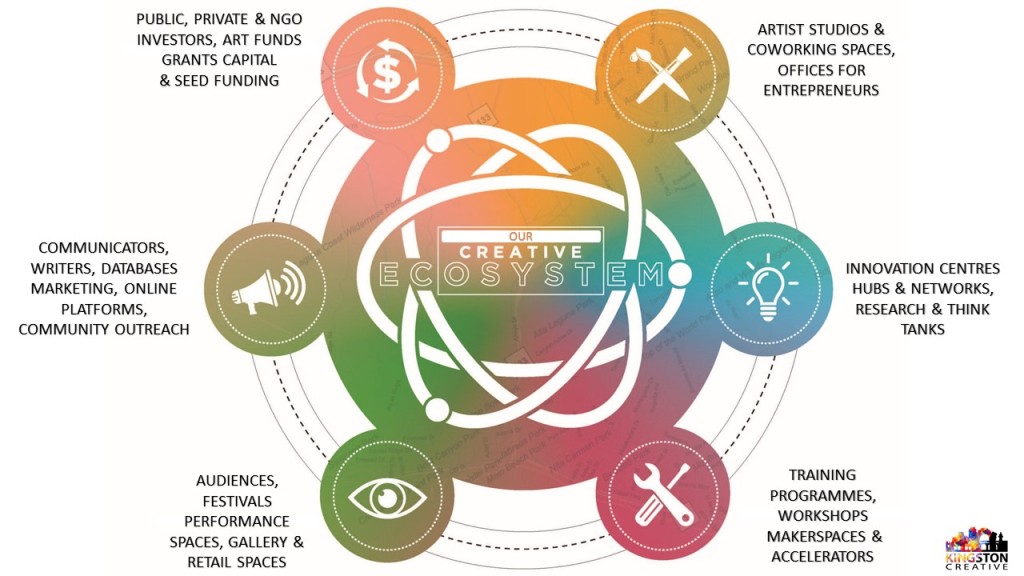
Before considering businesses and single person entities, it is key to understand the Industry as it stands and the ecosystem in place that allows it to run as it does. We must account for the gaps that currently exist in the industry before we start creating a roadmap to formalisation. Kingston Creative, in their own research, has developed six key factors making up Jamaica’s Creative Ecosystem and thus stand as core areas for development:

Jamaica’s Creative Ecosystem. Source: Kingston Creative


  1. Funding– public and private sector funds, including venture capital funds, and financial institutions who understand the creative ecosystem.
  2. Space– affordable spaces to create, practice and perform.
  3. Training and Development– legitimate means of certification and training within various fields.
  4. Messengers of the Brand/ Communicators– ways to know what is happening in the industry and how to procure the goods and services of those within.
  5. Innovation Houses/ Think Tanks– spaces where like-minded people can get together and network and bounce ideas for the development of the industry (such as the Kingston Creative Hub).
  6. Audiences- The transaction from artist to the audience included in spaces such as festivals, galleries and retail spaces.

She stated that it is crucial for Jamaica as a country to view creativity as an asset, as something that people can (and should) invest in. We need to make the link between actual raw talent and national development. There needs to be a level of collaboration across all sectors that the Creative Industry interacts with(culture, entertainment, tourism, foreign affairs, economic growth, commerce, etc.) for the industry to be able to fully thrive. So while we seek to create our own table, it is indeed crucial to have a seat at the tables that already exist.

“We are all creative,” Andrea believes. In Jamaica especially, many (if not most) creatives have a day job. They are turned away from a creative career and have it as a ‘side hustle’ or a hobby. In taking the step of capitalising on our talents it is crucial to respect your craft as a business in itself. Once you do that, you move on to educating people on the worth of your craft and the cost of providing your service/business, as any other industry would. This is crucial in moving away from the ‘friend ting’ culture that exists in Jamaica’s Creative Industry. 

Creative Entrepreneur and Freelancer- What’s the difference?

Understanding the development of the industry individuals themselves, Ewan posed the interesting question of “what is the key difference between a creative entrepreneur and a freelancer within the creative space?” Andrea simply made the distinction between the two by highlighting, “many persons calling themselves an entrepreneur have not created a business, they have just created a job for themselves and it’s a big distinction.”

More specifically, freelancers have a job or series of jobs with several different employers where one minute of their time equals a unit of compensation- they are selling their time while entrepreneurs create an actual business entity. Notably, this business must be able to operate on its own once you step away. An entrepreneur, in whatever field, is able to set up employment for themselves and others and create something that has a level of succession past their involvement in it and while there are benefits to freelancing, creating this solid entity should truly be the end goal for creative practitioners. 

How To Formalize Your Creative Business
“Nobody is confused about the power of Jamaican culture,” Andrea underlines. The question though is, how are Jamaican creatives able to cross that threshold and begin the process of starting a business, running their start-up and eventually having an entity capable of running by itself? 

Andrea outlined what she had identified as the critical first steps:

Step 1: Make a business plan. Take the time to write down your goals and expectations of your business. Use this as your reference point throughout the execution of the business to ensure you are continuing along the right path.

Step 2: Make sure you have protected the company and the ideas you have developed. A key step is registering your Intellectual Property. In Jamaica, this can be done at the Jamaica Intellectual Property Office (JIPO).

Step 3: Register your company legally- in Jamaica. This is done at the Company’s Office of Jamaica. She also suggested a starting point is registering as a sole trader and moving to a limited liability company as the business progresses. 

Step 4: Develop an organizational structure. Teamwork is important, ensure your company runs efficiently with all responsibilities adequately delegated with the right team to get the job done.  

Staying Motivated
It’s easy to get overwhelmed by the process and just as easy to be demotivated trying to thrive in an industry where you feel you may not be reaching your full potential and gaining the traction, and even monetary value that you deserve. “People want to live meaningful lives,” Andrea shares, “there will be tough days but life becomes so much more meaningful if you feel like you’re living on purpose… Let your passion guide you. Do the things that lift your spirit. Find like minded people and… expand your circle.”

With the creativity and passion that lie within the spirit of Jamaica’s people, the formalisation of the industry is not just a dream but is currently underway, having made incredible strides in the last five years. What we must do is “invest in the thing we already know we are excellent at,” as Andrea stated. With the impact of COVID-19 on the sector and country on a whole, the creativity of our workers, and by extension population, must now be moulded and mended to fit a new time, working to regain the momentum of the industry before the pandemic. Let us not miss our opportunity to contribute to the rebuilding of our economy in the post-COVID era. With collaboration and a mutual goal for success in mind it is certainly possible. 

You can listen to the full discussion between Ewan and Andrea on BlankCanvas Ja’s Podcast here: https://youtu.be/rp2kMpJIByM

How to get involved:
Want to get involved in Jamaica’s creative industry and don’t know where to start? Visit www.kingstoncreative.org and sign up to be a volunteer, you will be placed in a particular group specific to your skills and interests!

6 Jamaican Creative Projects to Pay Attention to

Ashly Cork
June 8, 2020

The past few weeks have been heavy with distance, pain, fight and the taste of a revolution. In the midst of the global COVID-19 pandemic we have seen Black people all over the world continue to be frustrated with the racism and violence we have been forced to suffer through for no reason other than the colour of our skin. This has seen the resurgence of the Black Lives Matter Movement protests happening all over the world, even here, in Jamaica.

People have taken this opportunity to support the Black community in varying ways, whether that is going to the streets and protesting, signing petitions, donating money or promoting various Black businesses. Jamaica Creates is taking this opportunity to promote six specially picked Jamaican Creatives who we think deserve some praise and recognition. Many of these projects have come out during the COVID-19 lockdown and have served as a means of distraction during this time as we are forced to only consume art in our homes. 

Art has always succeeded in creating a special atmosphere of healing, of community and friendship- a special way of making you not feel alone, even if you physically are. Therefore, in no specific order, here are six Jamaican creatives and creative projects which I think have stood out during this period and encourage you to support!

Music Releases:

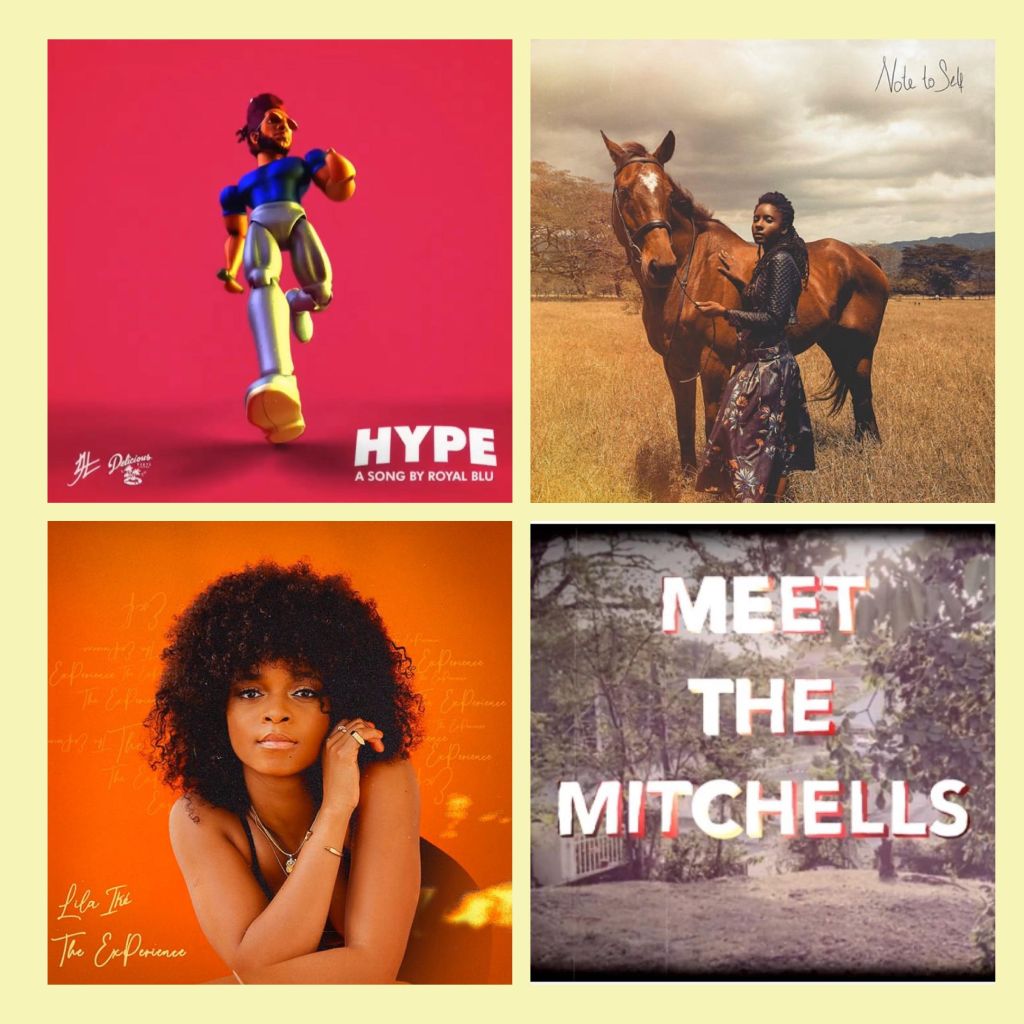
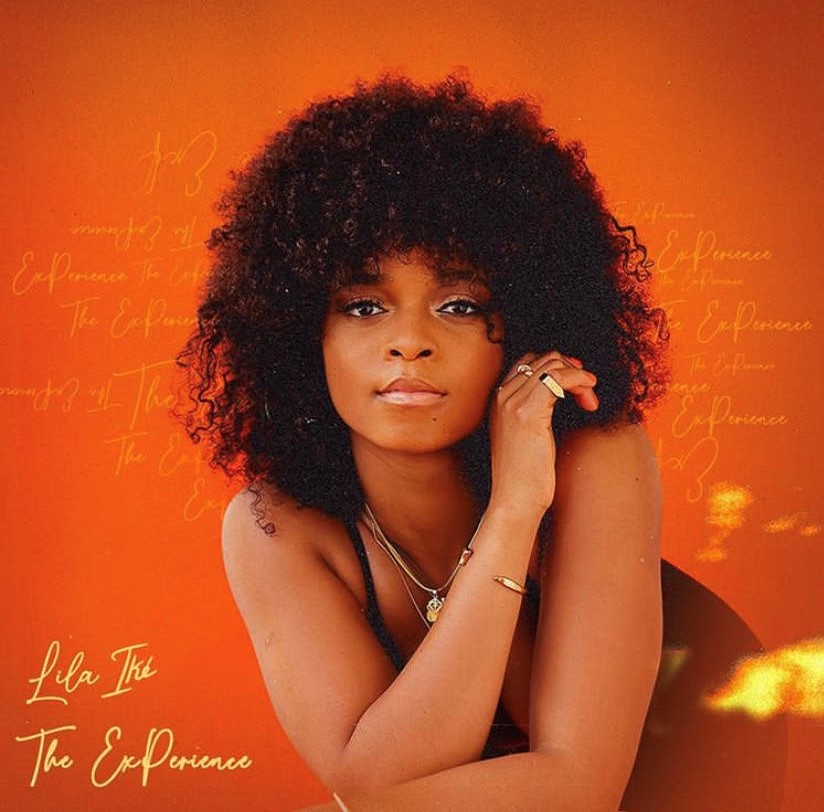
  1. Lila Ike’s EP- ExPerience: You might be pressed to find a Jamaican today that is not a fan of newcomer Lila Ike. Her 7 track EP adds four new singles to her previously released tracks which were already blasting through our speakers, such as Where I’m Coming From and Second Chance. Stars Align, which shares a riddim with Protoje’s Bout Noon and Mortimer’s No Lies, is one of my favourites! 

Stream ExPerience from your preferred platform here: https://smarturl.it/xTheExPerience

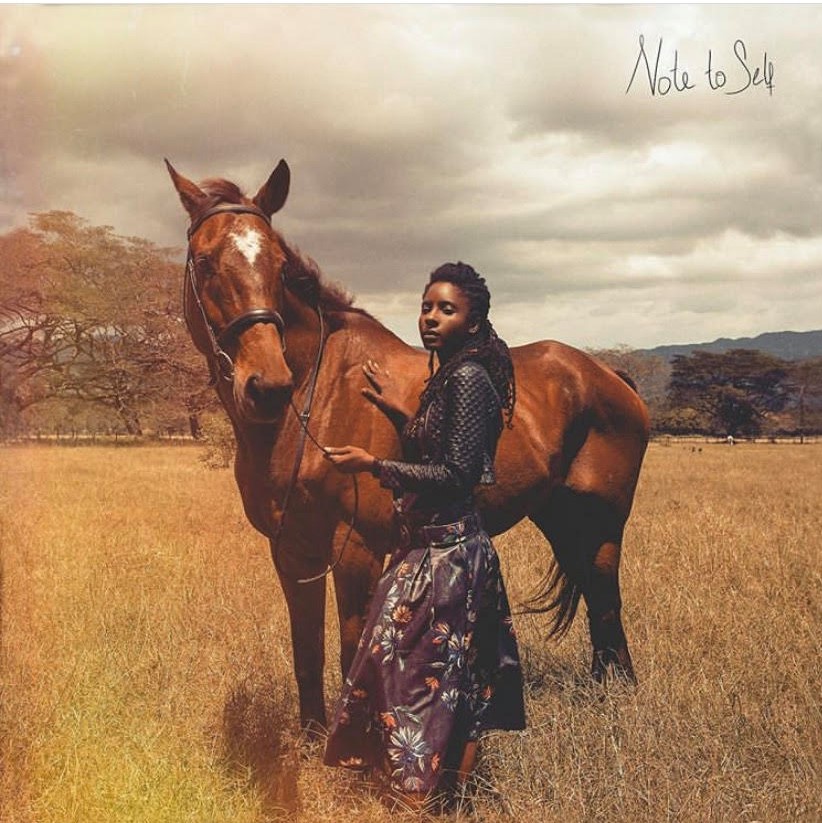
Source: Instagram @jah9online

2. Jah 9’s Album- Note to Self Jah 9 has a healing energy that just draws you in and her album Note to Self is very much a reflection of that healing energy. A mixture of spoken word poetry perfectly entwined with her melodious voice and Reggae rhythms, Jah 9 sings and speaks about healing, self preservation and surviving in a world that seeks to drown our voices out. This project is refreshing and enlightening. Note to Self (Okay) ft. Chronixx and Ma’at (Each Man) are two of my favourites.

Stream Note to Self on your preferred platform here: https://linktr.ee/jah9online

The album is also accompanied by a 13-minute video introduction, which can be viewed here: https://www.youtube.com/watch?v=X26RdCgvYFE


Jamaican Music Documentaries:

Documentaries have increasingly grown in popularity with major streaming platforms such as Netflix giving us behind the scenes look of different cultures, personalities and wildlife. Jamaican creatives are seeing the importance of giving us the behind the scenes, and audiences should continue to support the journeys as well as the final products.

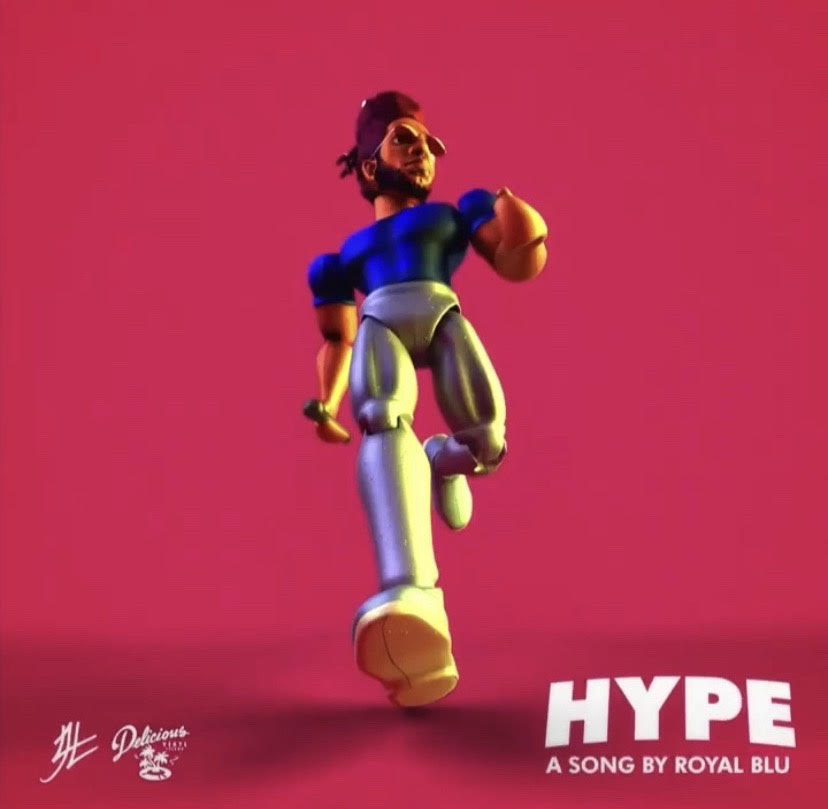
Source: Instagram @theroyalblu

3. Riddim and Blu– Riddim & Blu is a short documentary produced by Yannick Reid (AKA @thetherapistsol), highlighting the process of creating the music videos for Hype & Style and Pattern by recording artist, Royal Blu. Stepping outside of the box of what Jamaican music videos used to be, these partly animated and very colorful productions supplement the lyrical prowess found in Royal Blu’s Reggae-Dancehall-fusion recordings. Music video director Ikem Smith and popular music producer (who also worked on Lila Ike’s EP), JLL also add their input in this documentary.

Riddim & Blu can be viewed here: https://www.youtube.com/watch?v=ENNFFdSj4qI

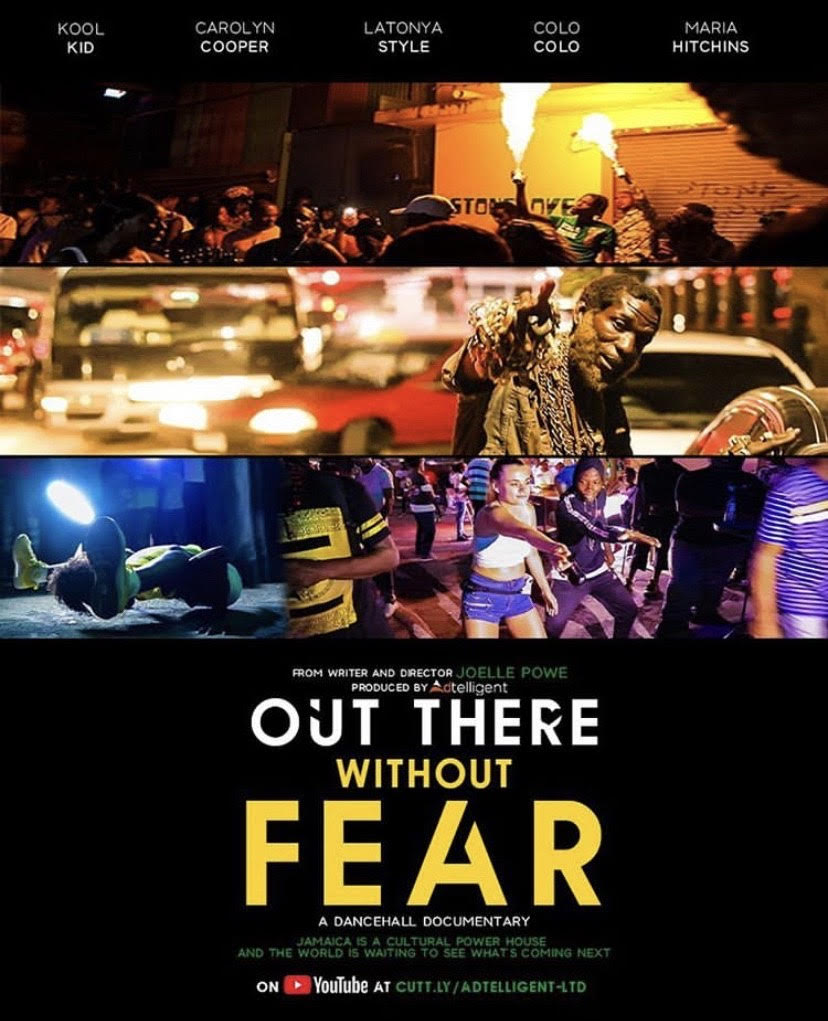
Source: Instagram @adtelligent

4. Out There Without Fear: Jamaica’s Dancehall Dance– Written and Directed by Joelle Powe and produced by Adtelligent, Out There Without Fear tells the story of Jamaica’s Dancehall: its creation, its local and international reach and what can be expected for the future. With inputs from Professor Carolyn Cooper, Herbie Miller, Dancer Colo Colo among others, the production puts together ideas from academics, dancers and dance teachers. This documentary chronicles the ideals behind Dancehall Dance, of classism, of survival and of women empowerment. A well put together production, it carries you through the journey of “the bad pickney of Reggae,” as stated by Prof. Cooper.

Out There Without Fear: Jamaica’s Dancehall Dance can be viewed at: https://www.youtube.com/watch?v=fSkx-Us3Rzs


Literature:

Source: Instagram @rebelwomenlit

5. Rebel Women Lit: Rebel Women Lit is a Book Club put together by Jherane Patmore. This book club serves to create a safe space for Women and members of the LGBTQ+ community within Jamaica. Monthly, a book is selected and upon signing up for the club you come together and discuss the book, as any book club would go. These books specifically tend to be Caribbean Literature books and as a result of COVID-19 the book club also takes place online, catering to persons interested outside of Jamaica. Rebel Women Lit has also put on a few online Literature Festivals, allowing various Caribbean authors to showcase their writing to an audience, usually on Instagram Live. 

Find out how you can be a part of the book club and when the events are taking place here: https://www.instagram.com/rebelwomenlit/?hl=en

The creators of Rebel Women Lit also host a Podcast, called Like a Real Book Club, which can be streamed wherever your preferred podcast platform is. More information can be found here:
https://www.rebelwomenlit.com/blog/tag/Like+A+Real+Book+Club

Youtube:

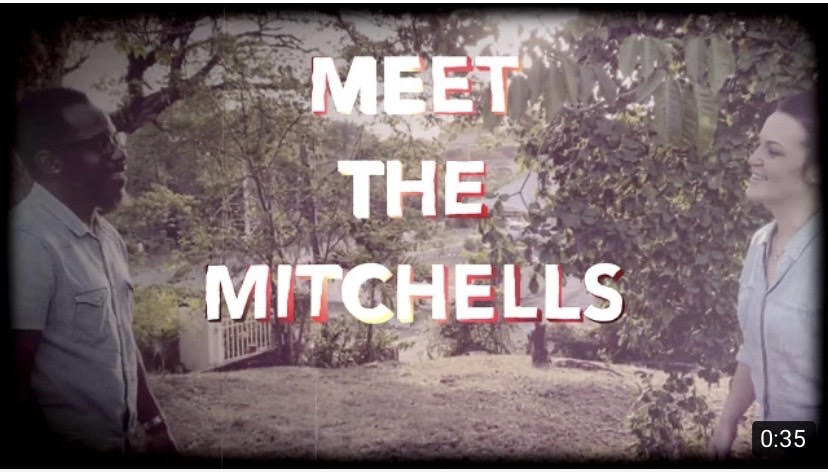
Source: Youtube @ Tami Chin Mitchell

6. Meet the Mitchells Last, but most certainly not least, is the Youtube Channel, Meet the Mitchells. Jamaican entertainers, Tami Chin and Wayne Marshall have invited us into their home. With their three sons and other extended family, the Mitchells have shown us an example of authentic Jamaican life laced with humor and unfiltered realness that will literally leave you laughing the entire time. They have most certainly been a light in the darkness of the world today.

Check out their channel, and show support here: https://www.youtube.com/results?search_query=meet+the+mitchells

This list is in no way exhaustive, but what it does show is a few Jamaican creatives doing amazing things particularly despite the challenges COVID-19 has placed on the Entertainment Industry, and I am grateful to be a part of their audience and encourage you all to support them, and those who have been left off the list, in any way you can. Which Jamaican projects have been getting you through lockdown that I missed? 

Defying the Barriers of the ‘Genre’- An Interview with Tessellated and FRIDAY NIGHT CRU

Ashly Cork
July 31, 2019

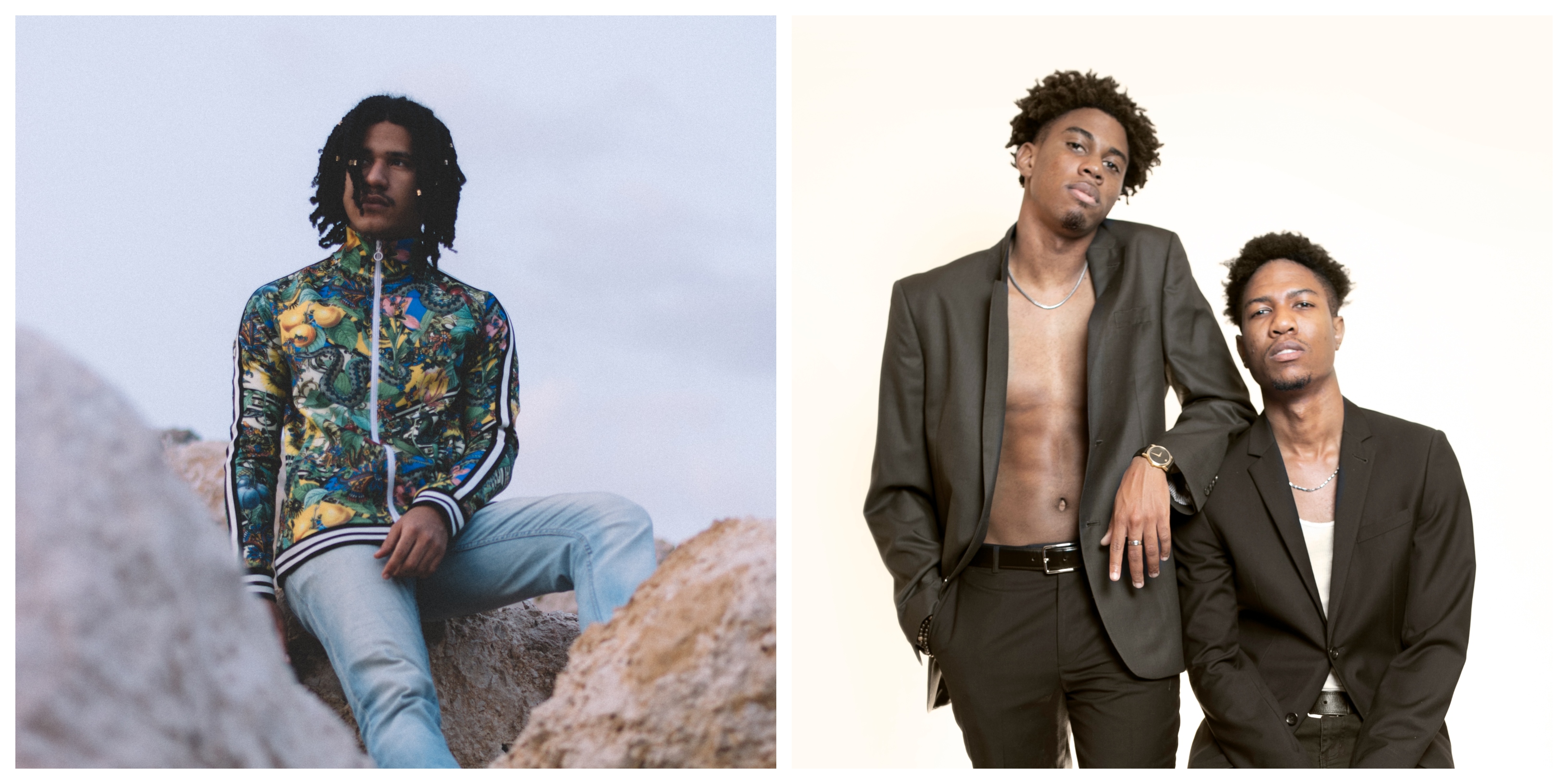
Left: Tessellated
Right: FRIDAY NIGHT CRU (L-R: KinDah & Dash D)

Defying the Barriers of the ‘Genre’ : An Interview with Tessellated and FRIDAY NIGHT CRU

It is human nature for us to place all aspects of our lives into categories. Philosophical theory dating to ancient philosophers Aristotle and Plato in 300. B.C. speak to ways in which humans categorise to make their lives more simple. But does this really make life more simple, or does it create limitations on the vast possibilities that exist, particularly for parts of life like the arts? Taking musical genres as an example, consider the ways in which music and musicians themselves, are influenced by various genres, and thus many modern day artists are not able to seamlessly fit into the categories that genres characterise. 

Jamaica has gifted the world six unique genres of music since the 20th Century, the only country to do so. These genres are: Ska, Mento, Rocksteady, Reggae, Dancehall and Dub. Currently, the most popular genres in today’s Jamaica are Reggae and Dancehall, with Dub having a huge influence on international music (such as EDM), but not necessarily the same level of popularity in its home country. In 2015, as a testament to this immense level of creative production, Kingston, Jamaica was declared a UNESCO Creative City of Music.

I sat down with two of Jamaica’s next generation of artists, Tessellated and FRIDAY NIGHT CRU (a duo), to discuss the idea of genres, and how they, as artists, do not particularly think their music really adheres to the distinctions of any one genre, and specifically, not any one of Jamaica’s indigenous genres.

Dancehall and Reggae, Jamaica’s Genres

To further this discussion we must start from the drawing board. The Miriam-Webster Dictionary defines the term ‘genre’ as, “a category of artistic, musical or literary composition characterized by a particular style, form or content.” These characteristics form the checklist that is used either informally or formally (for music charts such as Billboard) to group music together based on these similarities.

According to blogger Rueben Raman (no date), a defining factor of the Reggae genre is the use of the “4/4 meter with heavy emphasis on the backbeat… The average tempo of a Reggae tune ranges between 80-110 BPM (beats per minute). Most Reggae songs have the bass upfront in the mix with low subs…” Dancehall, on the other hand, is characterised by the “pumping lower frequencies of the Reggae bass line” (Julian Henriques, 2011: xxi). 

As it relates to the content (themes of the music), Reggae music is heavily influenced by the Rastafari movement, therefore the focus tends to be around consciousness, Black empowerment, anti-establishment, marijuana, love and overall positivity, to summarize the themes. Dancehall, on the other hand is characterised by, as Prof. Donna Hope (2011) stated as “the six G’s”: gun, gyal, ghetto, gays, ganja and God. As you can see, many of these themes overlap giving rise to the initial situation of blurred lines.

The Next Generation of Jamaican Musicians- Who are Tessellated and FRIDAY NIGHT CRU?

To help tell this story I’d like to introduce my readers to Tessellated and FRIDAY NIGHT CRU; two Jamaican music acts that have sought to make music that goes against the mainstream notion we may have for what “Jamaican music” sounds like.

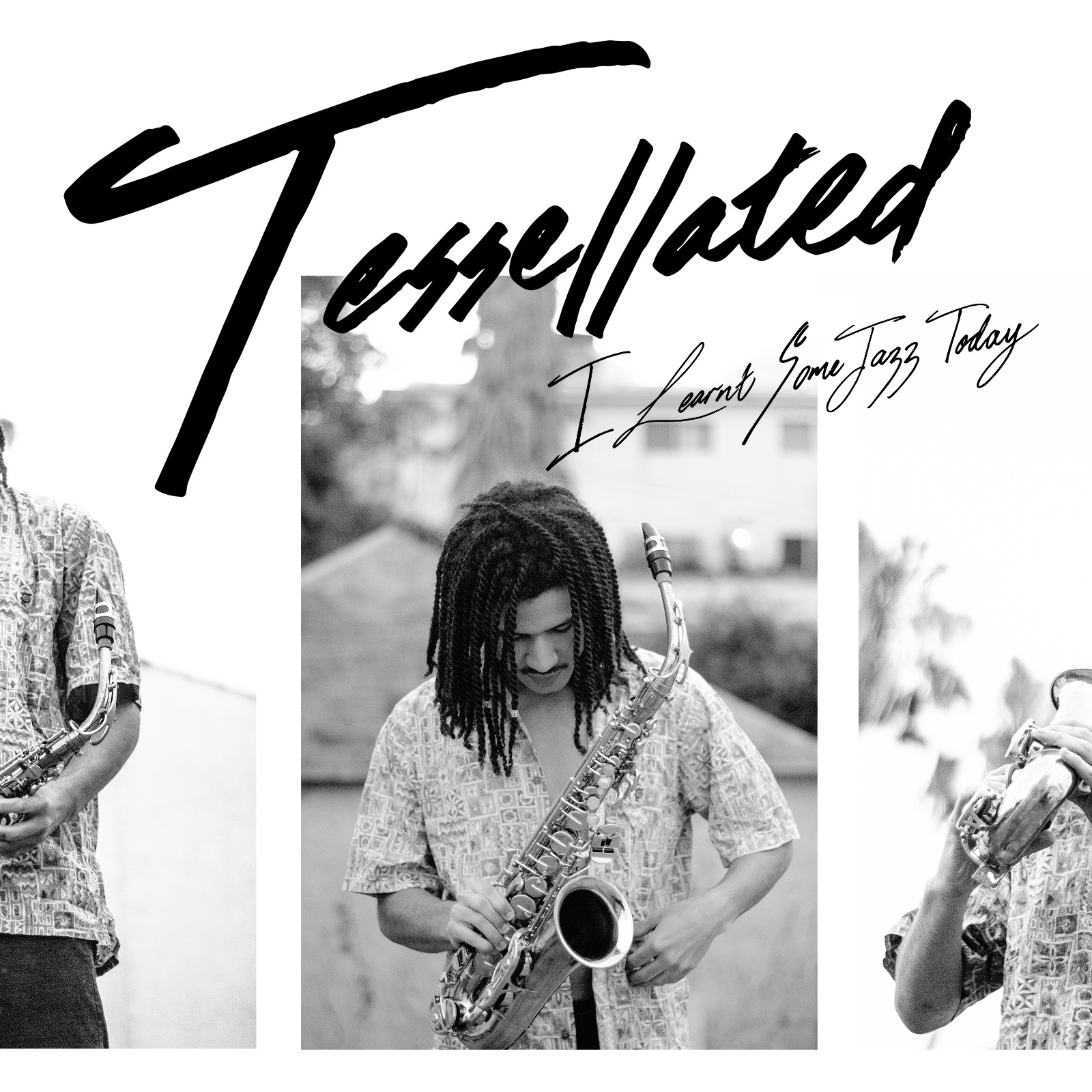
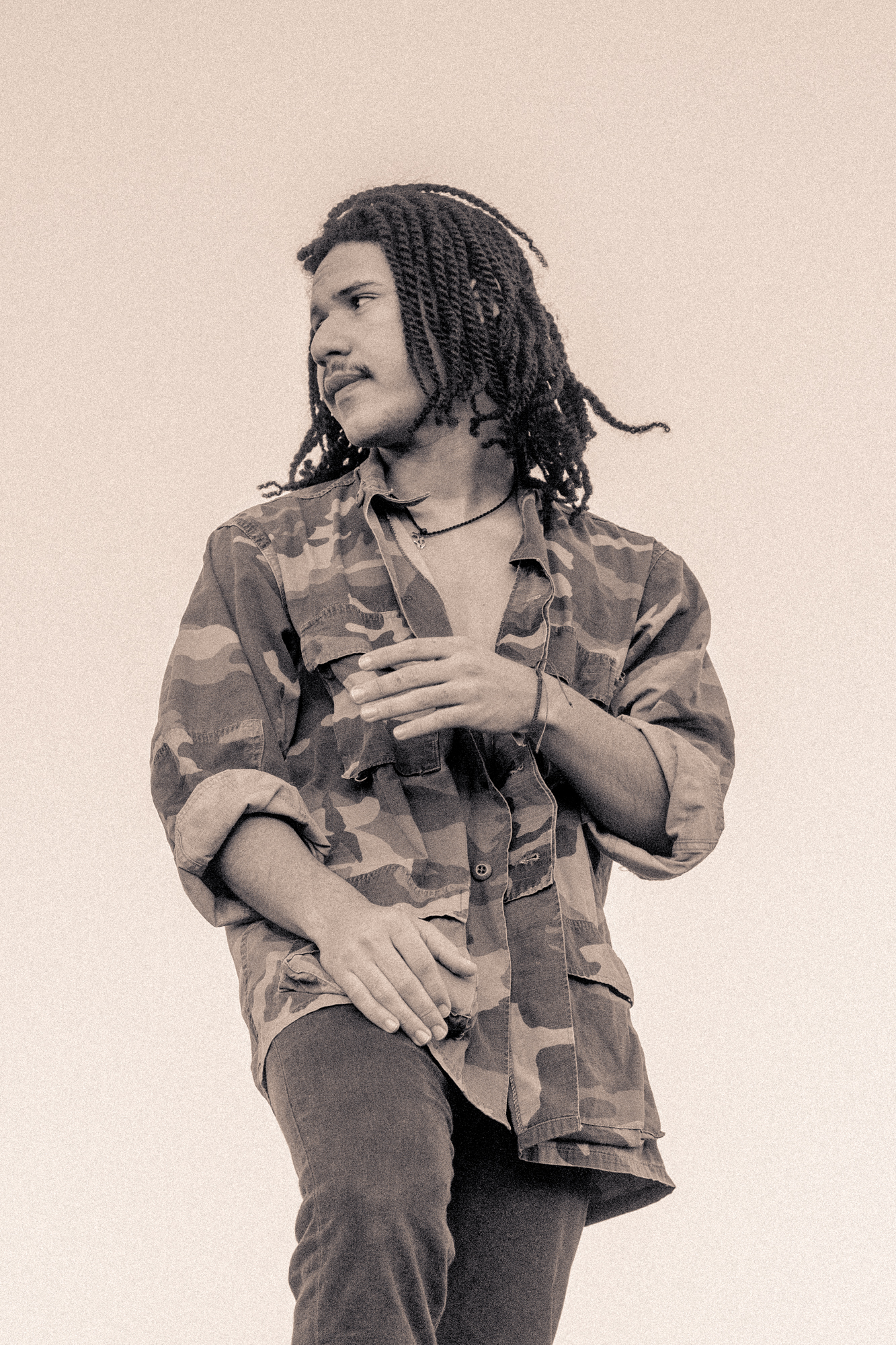
Tessellated, whom many of us may have met before from his massive hit, Pine and Ginger (2017) which has racked up an astounding over 5 million views on Youtube, hails from Kingston, Jamaica. In June, 2019, Tessellated’s song I Learned Some Jazz Today was scouted by Apple Music and used in their commercial for the new Apple AirPods. Tessellated’s sound is very unique, using parts of Dancehall, Reggae, Jazz and many more influences.

Image of Tessellated Photographed by Joshua Solas


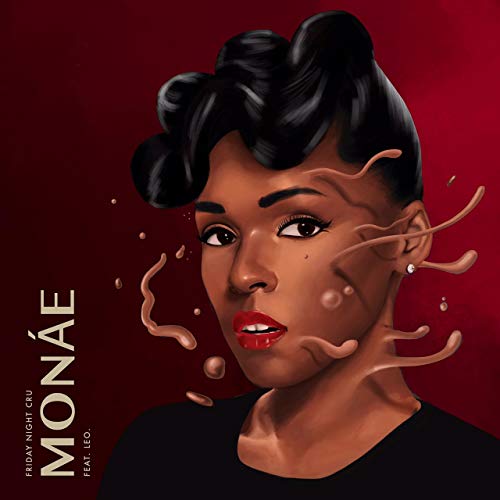
FRIDAY NIGHT CRU is a Jamaican duo, friends Dash D and KinDah. Both of these men also representing Kingston, Jamaica. An upcoming musical act with growing traction on the social media stage, FRIDAY NIGHT CRU’s single Monáe has racked up just under 3,000 views since the music video was released last year. They had their first taste of live performance at this summer’s Fi Di Culture Live. The duo’s sound resembles RnB, Rap and Hip-Hop.

FRIDAY NIGHT CRU Image Taken by Dacx Photography
Artwork for FRIDAY NIGHT CRU’s Single Monae done by Joshua Solas

What these two have in common is the ways in which they’ve sought to represent Jamaica, but not solely represent Dancehall and Reggae. Neither of them would choose one genre as the embodiment of their music, and our discussion sought to get more in depth with the notion of genres and the expectations Jamaicans have for their locally grown acts.

Expectations as Jamaican Musical Artists: 

When you think about the term “Jamaican Musician”, for most of us, we already have a preconceived notion of what that sounds like and most likely this fits into one of the six indigenous genres listed above. So, because there already exists this notion it further stems an expectation, a box we ourselves have created based on what this idea represents in our heads.

This does not in any way mean that Jamaicans only listen to Jamaican music. Actually, this is extremely far from the truth. It has been reported that the Jamaica Association of Composers, Authors and Publishers (JACAP), a collecting society in charge of distribution of royalties, pays more of its royalties to overseas entities than local creators due to a saturation of foreign music being played on the Jamaican radio stations. In 2015, 85% of JACAP’s royalties were paid overseas. (The Jamaica Star, April 23, 2017). 

KinDah of FRIDAY NIGHY CRU lamented on this notion saying, “I feel like although Dancehall and Reggae are more prominent here, most people you talk to are listening to American artists… When we think about going to a Jamaican concert we think about which Dancehall or Reggae artist is on, even though day to day we’re listening to American music…” In the position of assuming some Jamaicans have an aversion to hearing their own making the similar music they listen to day to day, KinDah continued by saying. “… it’s kind of strange when it’s not as accepted in a way but I think we’re becoming more open to other styles of music; and that’s through like social media as well.”

Tessellated, on the other hand, thinks that it’s our assumptions that have limited us, even from the creators’ perspective. He says, “one big part of it is that people don’t give people enough credit for what they may or may not be open to. So there’s this mentality in Jamaica, especially with the music industry, that Jamaicans only want Dancehall or Reggae; so people only give them Dancehall and Reggae! … With the Internet and just the generation we’re in, people listen to music from all over so people are actually open to a Jamaican artist doing different things, it’s just not really presented to them. But a lot of people, once they actually hear it, once they’re exposed to this new type of music or this ‘fusion’, they love it ‘cause it’s music, it’s good music.”

Another important point that came up, with the interjection of Odessa Chambers, a member of Tessellated’s management team and a media personality herself, was that Jamaicans have never had an issue consuming international music or music outside of the Jamaican genres, it is just that this is expected to be produced by international acts, not Jamaican ones. Why are we putting limitations on our artists?

Stepping Away From the Normative ‘Genre’ Labels

Upon asking these gentlemen the simple question of, “what genre would you classify your music as?”, I did not really get much of a solid answer, as I anticipated. “Genre is not a thing nowadays to be honest…. You don’t think for example, ‘Tessellated is doing Dancehall’, you think, ‘Tessellated is doing music’” Dash D proclaimed, with his music partner adding, “… we just make music, whatever comes, comes.”

The idea of moving away from using genres to define music isn’t simply because we want to move away from placing restrictions on artists, the idea is the restrictions are really not there when you consider it, every artist is influenced by many different kinds of art and thus whatever they produce is a by-product of all their influences. Every kind of music, and genre in itself is built off of something else, Dancehall is an influence of Reggae and Rap; Reggae is influenced by Rocksteady and Ska; Hip-Hop is even influenced by Reggae. Every genre that is created is a ‘fusion’ of some other form of music. 

Of his music, Tessellated stated, “growing up in Jamaica, obviously I have the root of Dancehall/Reggae, but then my music tastes are obviously wider than that too. So everything I do, it starts with the foundation of the Jamaican music and then it’s embellished with things from all over the world.” Most, if not all, artists, even outside of music, will relate to this statement, we do not exist and create in a bubble. “There are very few artists that don’t mix [genres] at all,” KinDah stated and Dash D joked, “We don’t do boxes!”

How Do We Encourage Moving Away from the Limitations Placed by Expectations and Categorisations?

When we sought to discuss what the solutions are for this change of mindset and for the reception of their music, but also for the encouragement of other artists to not limit themselves, FRIDAY NIGHT CRU And Tessellated referred to this stride as “a movement”, one they are proud to be a part of. They acknowledged both the time it takes for mindsets to change, and the numbers required for a movement to be noticed, it doesn’t take one or two artists, more artists need to be unafraid to give their audiences something new, something unexpected.

They acknowledged the importance of the creation of platforms for these types of artists, outside of social media. Most concerts and stage-shows are very Dancehall and Reggae centred, and the audiences at these events are not expecting to hear anything that deviates too far from this. Events like Fi Di Culture Live (in Kingston) and Asura and Friends (in Montego Bay) offer a stage for next generation artists, and particularly allow those who divert from the mainstream to have a space to present themselves to a live audience. 

FRIDAY NIGHT CRU spoke to the ways in which the opportunity of performing live had provided them with a transitional space between the Internet and real life. “When you put out a song it’s like numbers and comments, but you don’t get to actually see it in person,” KinDah stated. For them, performing in person was a way to connect with the crowd and show their personality to the people who don’t get a chance to interact with them outside of behind the music.

“The movement is being made in the music and in the streets… but when you have.. event(s) like this, the movement is kind of pushed into something more. Having these events are a part of the history of everything, it’s one thing when people are actually listening to music but it’s another thing when they’re actually paying to come out their house and attend an event,” Tessellated described to which Dash D agreed saying, “well said, sir.”

Genres are important when you think of numbers and data, for example streaming data, categories for award shows, popularity and productivity of music types. So in no way is this argument suggesting to completely eliminate genres, as it’s addition and productivity to the music industry is instrumental. However, the push is to not place artists in boxes of expectations which seek to limit their creativity, as it is next to impossible for a music creation to not be influenced or have traces of several types of music.

I’ll close this by quoting the ever philosophical Tessellated who proclaimed, “the basic jobs/ doctors, lawyers, those things are what society needs to run but they aren’t the things that people live for. People live for the culture, people live for the music, people live for the arts.. that’s the things that people live for, that’s where the love is.” 

Let us not place our artists in boxes, let us not be afraid or skeptical by our artists stepping away from our Jamaican culture, let us continue to encourage and support the immense creativity that will continue to be produced from our little (but HUGE) nation.


Check out some highlights from the performances of both Friday Night Cru & Tessellated Below:


FRIDAY NIGHT CRU Performing at Fi Di Culture Live 2019:

https://twitter.com/fridaynightcru/status/1150773325590925312

Tessellated performing at Sumfest 2019:

https://www.youtube.com/watch?v=fHisv_THEi0

Keep up with their upcoming projects by following their Instagrams: @tessvibe and @fridaynightcru